From chats over coffee in Sweden to freewheeling in the Netherlands and tai chi in China, we look at how residents of five countries take care of their mental health—and why you should consider incorporating these habits into your daily routine.
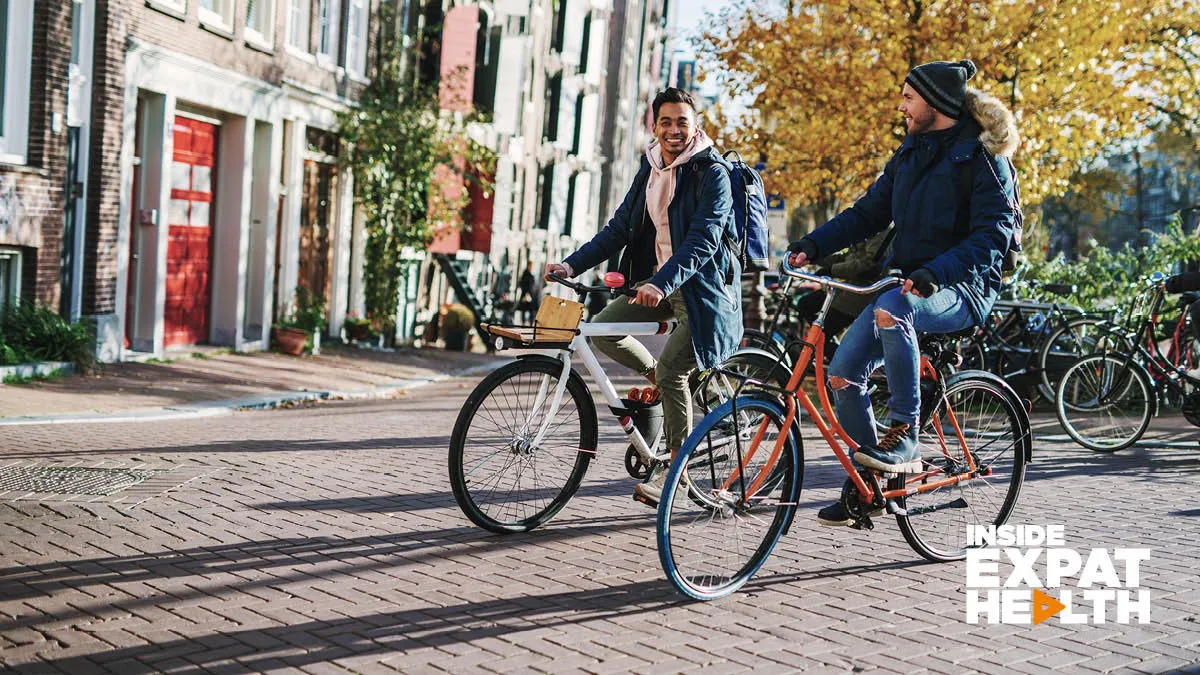
Cycling, the Netherlands
According to the World Happiness Report 2021 the Netherlands is the fifth happiest country on earth. One explanation is locals’ love of cycling—there are more than 22 million bicycles in the Netherlands and 18 million residents. In fact, a quarter of all trips are made on two wheels (compared to just two percent in the UK for example). From Amsterdam’s cobbled streets to the fishing villages that cling to its northern shore, the country is connected by 22.000 miles of cycle lanes meaning the Dutch are never far from an opportunity for freewheeling. Not only does cycling flood the body with feel-good endorphins and ensure a restful night’s sleep, it’s also a way of avoiding the frustrations of rush hour—which can only be a good thing.
Tai chi, China
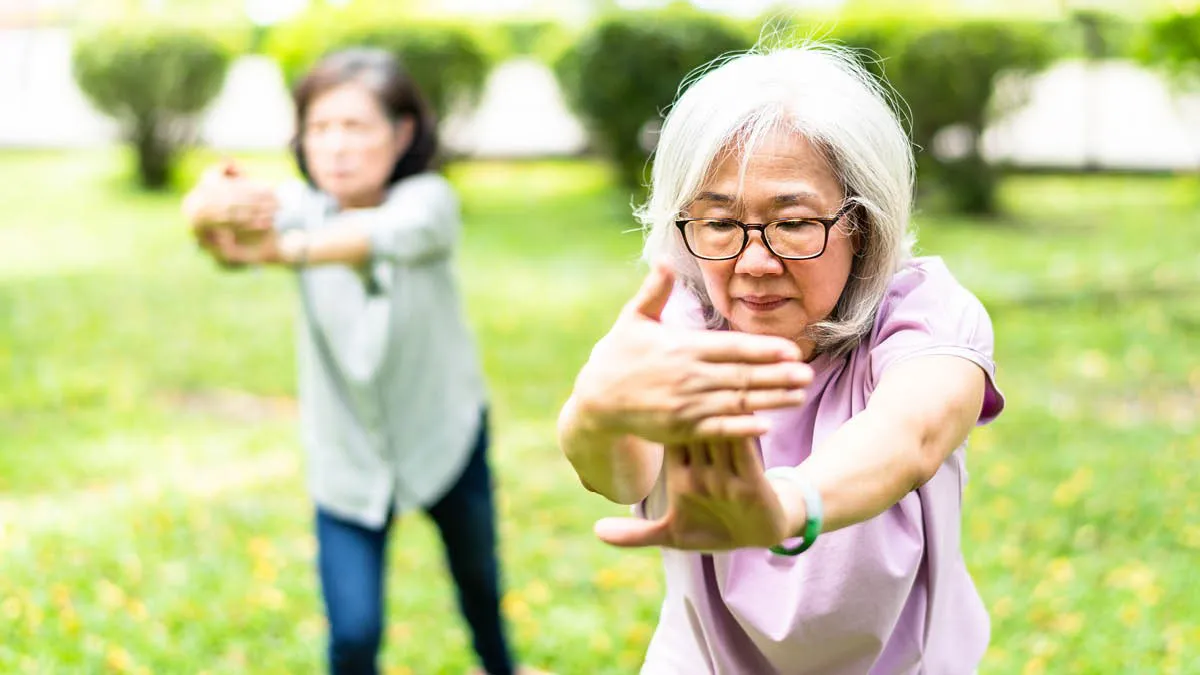
Head to many Chinese parks at dawn and you’ll spot the outlines of people moving gracefully through a series of routines. Some wield swords or sticks, others look as if they’re at a silent (and very slow moving) disco. Although tai chi may have its roots in self-defence, in recent years it has gained broad popularity as a therapeutic exercise that promotes physical mobility while reducing stress. Thanks to its combination of slow physical movements, deep breathing and focus, it calms the mind and reduces anxiety—think of it like a moving mindfulness practice. Although historians debate its origins, one legend states that a Taoist immortal was inspired to develop it whilst watching a snake defeat an eagle by maintaining total concentration. Tai chi it seems is about far more than just going through the motions.
Fika, Sweden
As most of us know, having a chat over a hot drink and something sweet can help put the world to rights. The Swedes have enshrined this idea in the cultural concept of fika; instead of a ‘nice to do’, it is seen as a must for mental health. In many workplaces, bosses encourage employees to take a 20-minute fika in the morning and afternoon, believing breaks make it easier to focus while also cultivating a community atmosphere that makes them feel generally happier. Think of it like a chat around the water cooler but much more inclusive. Many groups of friends and families also have a weekly fika. On Sunday mornings throughout the country, houses are filled with the smell of cinnamon and sounds of people connecting—a combination to boost the spirits if ever we heard one.
Plan de vida, Costa Rica
We all know that having a plan feels good. But for residents of the Nicoya Peninsula, a jungley spit jutting out into the Pacific Ocean where the proportion of centenarians is around three and a half times the global average, it’s vital. Plan de vida roughly translates as life plan but its meaning is more like ‘soul purpose’; put simply, it’s having a reason to get up each day. For residents of Nicoya, where many live below the poverty line, this generally means continuing to serve their family and communities well into old age. It’s not unusual to see great grandparents teaching children how to milk cows or nonagenarians loading their horse with watermelons for sick neighbours. Not only do acts of kindness produce serotonin in both the givers’ and receivers’ brains, they also banish loneliness by creating tight knit communities—something we all need, no matter our age.
Thai massage, Thailand
Headaches, sleeplessness, clenched muscles and tooth grinding—the reality is that mental health issues such as stress and anxiety have physical symptoms and therefore can be at least partially addressed in physical ways. Thai massage is one of the most ancient forms of therapy; healers have been pulling, pummelling and palm pressing their clients into relaxation for around 2.500 years. Although Bangkok’s Wat Pho temple and its massage school is considered the home of the practice, many rural villages have their own massage healer who offers their services for free and is in turn cared for by the community. At the very least, a simplified form is practiced in most rural homes, where children can often be seen bending their parents into better mental health on a simple mattress on the floor.